
What is Food Coloring?
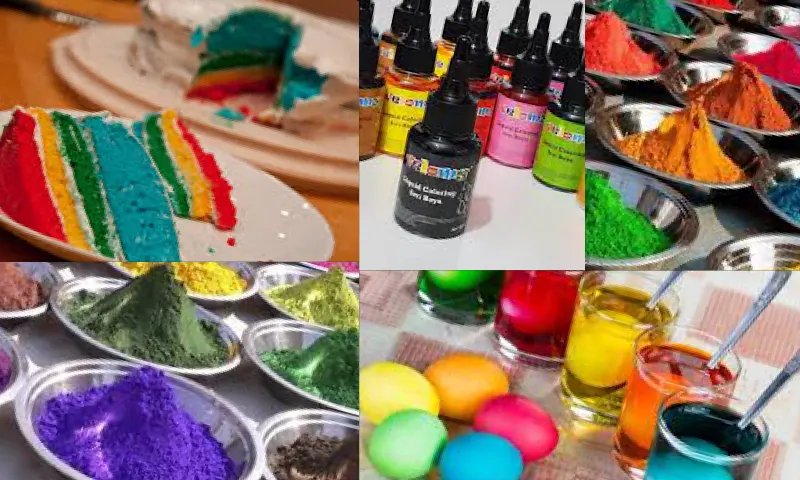
The clearest answer to the question of what food coloring is can be stated as colorants used to color food and beverages. It is the name given to dye pigments and substances that add color to anything we desire, applied to food, medicine, cosmetic products, or the human body. Natural substances in foods, anthocyanins, are water-soluble and are food coloring pigments that give vibrant blue, red, and purple colors. Many examples can be given for this. For instance, dyes from annatto, saffron, gardenia, monascus mylbin, and hemoglobin are inorganic natural colorants, each with its own color and usage area. The most frequently asked question about what food coloring is concerns where these products are used. We can list their common usage areas as ice cream, yogurt, instant powdered drinks, fruit jellies, margarine, processed cheese, fruit juices, tomato products, cereals, popcorn, biscuits, and canned beverages.
Why is Food Coloring Used?
If asked what food coloring is and why it is used, it is used to create product color standards. There are many other reasons for its use. It is used to increase the attractiveness of the product, enhance the flavor level, prevent color loss, add color to a normally colorless product, make low-quality, unattractive foods more appealing, to provide a decorative feature to meet consumer expectations, and to increase its flavor value. Food colorings are divided into three groups: natural, semi-synthetic, and synthetic. According to laws, 23 coloring matters are permitted for use. 7 of these are certified, and the remaining 16 are natural.





