
The Essential Elements and Process of Perfume Manufacturing
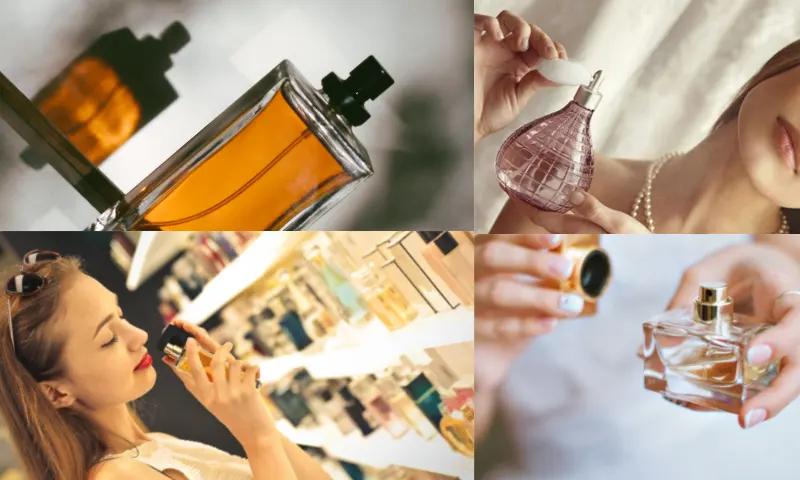
Perfume manufacturing is a specialized process that involves the selection and combination of carefully chosen essences, extracts, and other components. The first stage is the selection of the essences that form the basis of the perfume. Essences derived from flowers, fruits, spices, or woody notes determine the character of the perfume. Next, carrier substances such as alcohol or essential oils are added, and this mixture is allowed to rest. This stage allows the essences to meld and the perfume to develop. Finally, this mixture is filtered and bottled. Perfume manufacturing is a craft synonymous with the artistic skills and experience of perfumers. For information on this subject and to ask your burning questions, you can visit the relevant online companies on web pages and examine them in detail from there.
Raw Materials Used in Perfume Manufacturing and Quality Standards
The raw material used in perfume manufacturing is a critical factor determining the quality of the perfume. The highest quality perfumes are produced using natural and high-quality essences. These essences are usually sourced from special fields and gardens worldwide. For example, the Grasse region of France is known as the source of the world's finest floral essences. Other important raw materials used in perfume manufacturing are quality alcohol or carrier oils. For the production of quality perfume, manufacturers generally prioritize sourcing raw materials from natural and sustainable sources.
The Role of Technology and Innovations in Perfume Manufacturing
Technological advancements in perfume manufacturing have made the process more precise and efficient. In particular, technologies such as aroma chemistry and molecular perfumery have enabled the creation of new and unique fragrance profiles. Furthermore, the equipment used in perfume manufacturing has also been modernized. Microencapsulation techniques allow fragrance molecules to be preserved for a longer period, which increases the longevity of perfumes. Technological innovations help the perfume industry maintain its competitive advantage while also increasing its capacity to offer diverse and original fragrance profiles.





