
Choosing a Quality Teapot and Fresh Tea
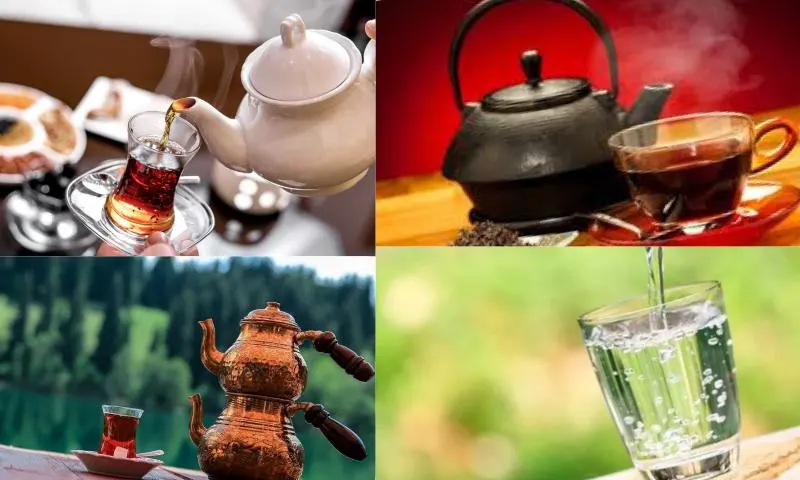
The first step to brewing a good cup of tea is choosing the right materials. For ideal brewing, porcelain or glass teapots should be preferred because these materials preserve the tea's aroma better. Metal teapots, on the other hand, can affect the taste of the tea. The choice of tea is just as important as the teapot. Fresh, dry teas with large leaves always yield tastier results. Teas with newly opened packaging have a light woody aroma; this is an indicator of quality. Also, storing tea in a dry environment prevents the aroma from degrading for a long time. For more information on this topic and to ask your questions, you can visit the relevant online companies on web pages and conduct a detailed review from there.
Water Quality and Temperature Control
One of the most important factors determining the taste of tea is water. If possible, purified or drinking water should be preferred over tap water. Boiled water should be rested for a few seconds before pouring over the tea leaves; because boiling water can burn the tea leaves, leaving a bitter taste. The ideal brewing temperature is around 90-95°C. Also, after the water in the lower teapot boils, the heat should be reduced, ensuring the water remains hot but not boiling vigorously. This helps the tea in the upper teapot to steep more slowly and evenly.
Steeping Time and Serving Moment
Patience comes into play after the tea is placed in the upper teapot and meets the hot water. Allow the tea to steep for an average of 15–20 minutes. Waiting without opening the lid during this period allows the tea to blend better with the steam. The color of the steeped tea should be clear and dark amber. When serving, the tea is prepared by first diluting it slightly with hot water and then adding the steep. A slice of lemon, fresh cookies, or just quiet solitude accompanying it can make the tea even more enjoyable.





