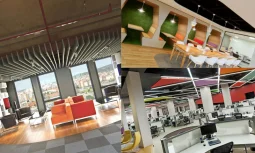
How Do Office Designs Increase Work Efficiency?

How Do Office Designs Ensure Ergonomics?
Office design is an important planning approach that forms the basis of the work order. Having ample space for employees to move, ensuring regular communication flow, and creating an atmosphere that supports focus provide a strong foundation for productivity. The environment in which employees spend a large part of their day directly affects their psychological feelings. Therefore, a balanced spatial configuration positively impacts the work tempo. Desk layouts, circulation areas, and individual quiet zones are among the fundamental components of this process. Establishing this order correctly allows employees to perform their tasks without fatigue. When businesses consciously plan their interior organization, performance increases become noticeable. For more detailed information on office designs, you can visit the web address https://osomimarlik.com/ofis-ic-mimarlik/.
How Do Office Designs Regulate Lighting?
Office designs offer ergonomic solutions that ensure a workspace is organized in harmony with the human anatomy. The height, material structure, and position of the furniture used in a space play a decisive role in employee health. Correctly designing the seating arrangement reduces muscle and joint strain. Positioning the computer screen at an appropriate viewing level prevents eye fatigue. Planning the circulation space in a balanced way allows employees to change direction comfortably throughout the day. This arrangement not only increases comfort but also reduces the risk of potential injuries. Office designs prioritize employees' attention and focus levels while determining the light balance in the workplace. Allowing natural light to enter the interior correctly makes employees feel more energetic throughout the day. The position of curtains, desk placement, and the use of glass surfaces are factors that determine this balance. In areas where natural light is insufficient, the correct choice of artificial lighting becomes important. Dim environments can reduce work productivity, while excessively bright light causes eye strain. The harmony of light color with the space's atmosphere creates a structure that supports the work tempo.