
How Does a Crane Remote Control System Work?
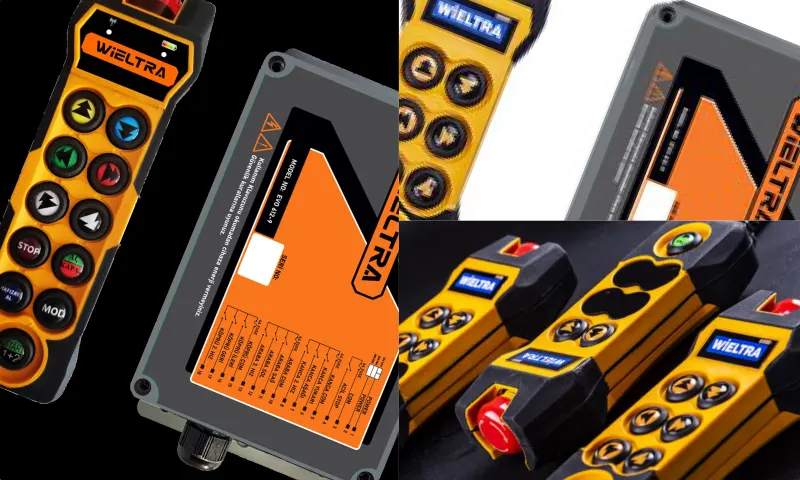
How is Operator Control Achieved with a Crane Remote Control?
The crane remote control system is a technological solution that enables the operator to perform load handling operations safely and efficiently. A crane remote control consists of a transmitter and a receiver unit. The control device in the operator's hand sends a signal via a specific radio frequency. The receiver unit on the crane detects these signals and transmits them to components such as the motor, brake, or lifting mechanism. This ensures that lifting, lowering, and forward or backward movements occur according to the operator's commands. The software and hardware used in these systems ensure that commands are transmitted without delay. Safety features such as an emergency stop button are included. You can visit the web address https://www.wieltra.com/ for detailed information about crane remote control systems.
Why are Crane Remote Control Systems Preferred?
A crane remote control is a device that allows the operator to easily manage the movements of the crane. Control is achieved with the help of buttons or a joystick on the remote. When the operator applies commands on the device, signals are sent from the transmitter unit to the receiver via radio waves. These signals trigger the crane's movement mechanisms. For operator control to be effective, it is important that the control device is ergonomically designed. The position of the buttons is placed in accordance with the natural movements of the hand. This reduces fatigue during prolonged use. The control distance can be adjusted according to the working area. Some advanced models are equipped with a two-way communication system. Crane remote control systems offer many advantages in terms of both safety and efficiency. The operator has a wide range of motion without needing a cable connection. This provides the opportunity to work in narrow and dangerous areas. One of the reasons these systems are preferred is labor savings. A single operator can manage the crane from different points, reducing the need for additional personnel. Problems such as entanglement or damage encountered with wired systems are eliminated.





