
What is a Component Handler and What is Their Place in the Electronics Industry?
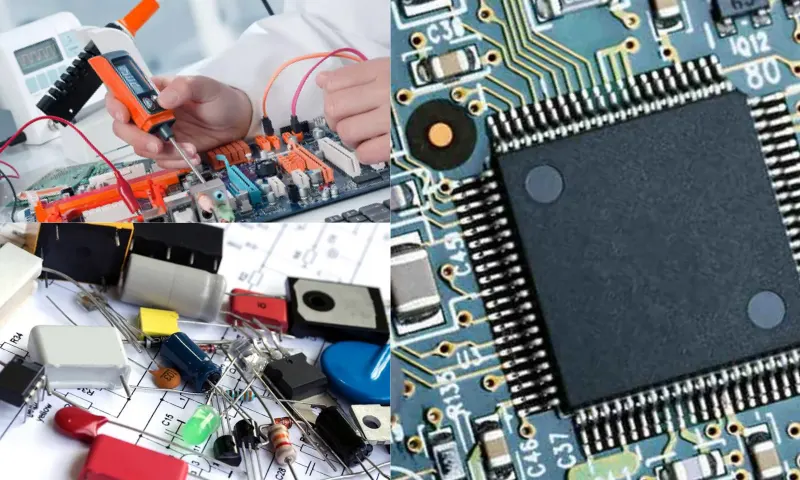
Roles of a Component Handler and Their Impact on the Production Process
The answer to the question "What is a component handler?" defines a crucial profession that forms the basis of electronic production processes. For more information about component handlers, you can visit https://www.sceelektronik.com/hizmetlerimiz/komponent-tedarigi/. A component handler is the person who selects, classifies, verifies, and prepares the materials to be used on electronic circuit boards for the assembly process. This role directly impacts both production quality and production speed. They are responsible for correctly stocking SMD and THT components, adhering to ESD rules before unpacking them, and preparing them appropriately for assembly machines.
Quality, Tracking, and Technological Support in Component Handling
Component handlers verify the accuracy of incoming components; they confirm part numbers, values, package types, and quantity information. They correctly place the materials to be used during production into feeders for pick & place machines and arrange them according to the assembly sequence. There are also critical tasks such as storing moisture-sensitive materials in special bags, tracking their exposure times, and ensuring appropriate temperature/humidity conditions. Each of these processes reduces the risk of errors in assembly, increases production speed, and lowers costs. Errors such as incorrect component placement or feeder preparation can bring the entire production process to a halt. In modern production facilities, component handlers track inventory via MRP and ERP systems, plan material needs in advance, and work in coordination with production departments. Barcode systems, smart shelves, and automated warehouse management solutions minimize the error margin by facilitating the work of component handlers. Furthermore, correctly drying components, checking them for moisture absorption risk, and recording the pre-assembly preparation processes are important steps that enhance production quality. Effective component management ensures high success in both prototype and mass production.





