
How is the Chemical Structure of Cmc Hv Formed?
How is CMC Hv Used in Industrial Areas?
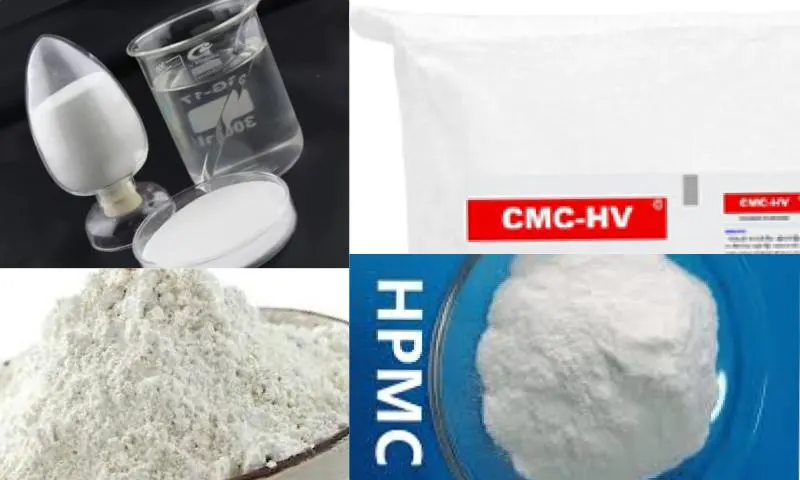
The chemical structure of CMC Hv is obtained by attaching carboxymethyl groups to cellulose chains. Cellulose is a polymer found in the cell walls of plants in nature. During the production of CMC, chloroacetic acid is added to the cellulose molecule in an alkaline environment, and in this process, carboxymethyl groups attach to the hydroxyl groups of cellulose. This modification in the chemical structure of CMC Hv causes the product to gain properties such as high viscosity and water retention capacity. CMC Hv is quite stable in aqueous solutions and shows resistance to factors like temperature and pH changes. For detailed information about CMC Hv, you can visit the web address https://aciselsan.com.tr/urunlerimiz/sondaj/.
What is the Importance of Cmc Hv in the Food Sector?
CMC Hv is widely used in various industrial areas. It plays an important role, especially in oil drilling, textile, and paper production. In oil drilling, it increases the viscosity of the drilling mud, allowing cuttings to be transported to the surface, thus increasing the efficiency of the operation. It maintains the stability of the well by balancing water absorption. In the textile industry, CMC Hv is used to ensure uniform dispersion of dyes and coatings. In paper production, it helps to bind paper fibers more strongly and increases the durability of the paper. CMC Hv is also a frequently preferred additive in the food industry. It is used as a thickener, stabilizer, and emulsifier in food products. In products such as yogurt, ice cream, sauces, and instant soups, CMC Hv helps to achieve a homogeneous consistency. It also extends the freshness and shelf life of products by binding water in foods. As an important ingredient for food manufacturers, CMC Hv is considered a safe additive due to its low toxicity. Thus, it reduces production costs and increases product quality.





