
The Definition and Importance of Interior Architecture
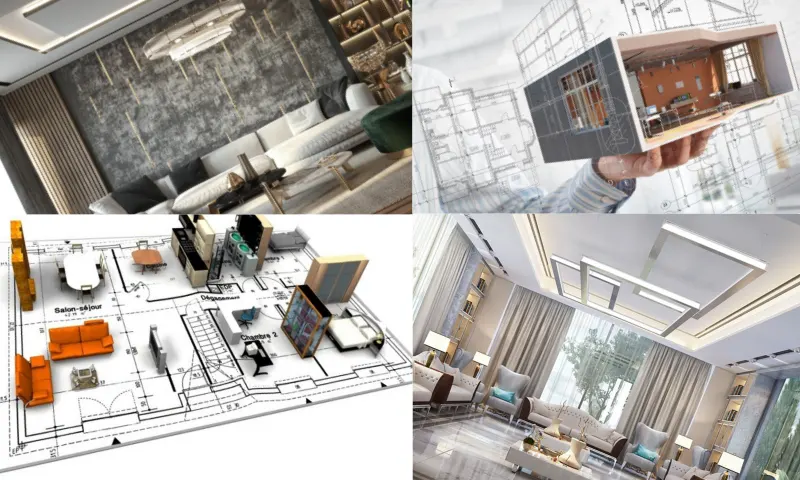
Interior architecture is the design process that makes living spaces, workplaces, or other venues functional, aesthetic, and comfortable. Interior architects plan the interior layout of spaces and combine elements such as furniture, color, flooring, lighting, and decoration. Its purpose is to create an aesthetic environment by making spaces suitable for users' needs and ensuring maximum functionality. Interior architecture enhances people's quality of life by making spaces more efficient and aesthetically appealing. Well-designed interiors positively affect people's peace and happiness. At the same time, interior architecture emerges as an important field that must be considered in terms of energy efficiency and sustainability of spaces.
The Interior Architecture Process and Application Steps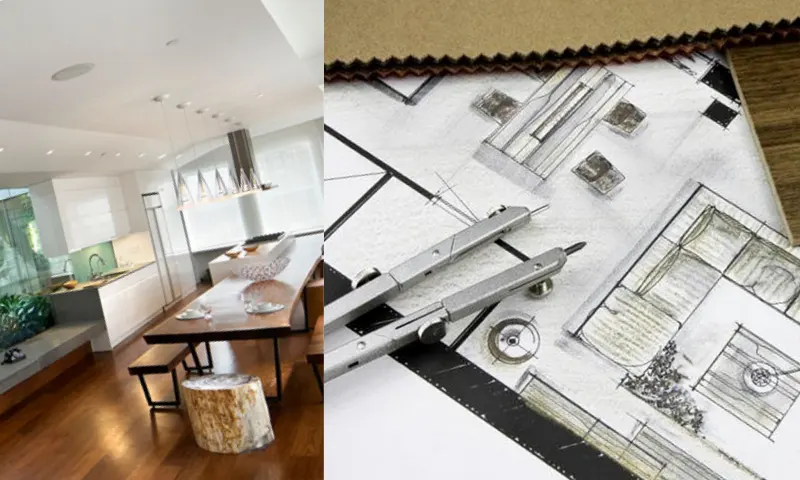
The interior architecture process is a comprehensive design and planning process based on identified needs and desires. Here are the basic steps of the interior architecture process:
- Determining Client Needs: The first step is to meet with the client to understand their needs, desires, and budget. Interior architects conduct a detailed analysis to turn clients' expectations and dreams into reality.
- Concept Design and Planning: The interior design of spaces begins in line with the client's needs. The color palette, furniture layout, lighting plan, and decoration elements are determined. After the client's approval of the concept design, a detailed planning phase is entered.
- Application and Construction Process: Once the design is approved, interior architects manage the project's application and construction process. Furniture and decoration materials are selected, procured, and installed. The project is completed on time and within budget through continuous communication during the construction process.
Applications of Interior Architecture in Different Fields
Interior architecture has various applications in different fields. Some of them are:
- Residential Interior Architecture: Residential interior architecture covers the design and decoration of houses and apartments. Interior architects design homes to be functional and aesthetic in line with clients' lifestyles and personal tastes.
- Commercial Interior Architecture: The interior architecture of commercial spaces such as offices, restaurants, hotels, and shopping malls requires a design that aligns with corporate identity and brand value. While prioritizing functionality, the aim is also to maximize customer experience.
- Healthcare and Educational Interior Architecture: In hospitals, clinics, schools, and universities, interior architecture is particularly important in terms of user comfort and safety. In such spaces, interior architects design ergonomic and comfortable spaces suitable for the needs of patients and students.
In conclusion, interior architecture is an important discipline that enhances people's quality of life by combining the functionality and aesthetics of spaces. Interior architects analyze client needs and manage the application and construction stages through the concept design and planning process. Interior architecture, applied in different fields, is designed in accordance with the purpose of use of the spaces and the needs of the users, and it has an effect in many areas of our lives.





