
Panic Attacks: Symptoms, Causes, and Coping Strategies
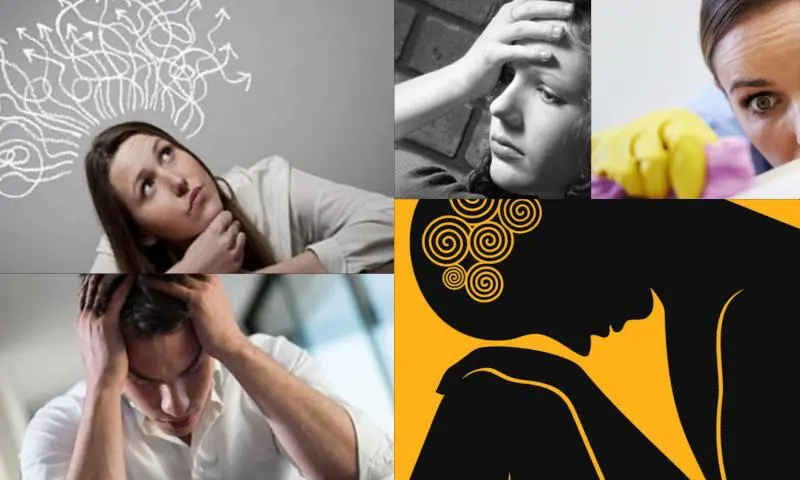
A panic attack is a condition characterized by sudden and intense feelings of anxiety, which can often make a person's daily life difficult. Panic attacks, which occur suddenly and unexpectedly, manifest with physical and emotional symptoms. A panic attack manifests with various physical and emotional symptoms. These symptoms include physical symptoms such as rapid heartbeat, difficulty breathing, chest pain, dizziness, nausea, and trembling. Along with these symptoms, the person may experience intense fear, anxiety, and a feeling of losing control. In some cases, a person experiencing a panic attack may feel as if they are having a heart attack. These symptoms usually last for 10-15 minutes but can have long-lasting effects on the person. A person experiencing a panic attack may withdraw from their daily activities due to the fear of having another attack. To get information on this subject and ask your questions, you can look at the relevant online firms on internet pages and examine them in detail from here.
Causes and Risk Factors of Panic Attacks
While the exact causes of panic attacks are not fully known, it is thought that various factors such as genetic predisposition, chemical imbalances in the brain, and environmental factors can trigger this condition. Individuals with a family history of panic disorder are at higher risk of experiencing panic attacks. Furthermore, life stressors such as intense stress, traumatic events, work or school stress can trigger panic attacks. Some research suggests that imbalances in brain chemicals such as serotonin and dopamine may also increase the risk of panic attacks. Other factors that can trigger panic attacks include stimulants like caffeine and sleep disturbances.
Coping Methods for Panic Attacks
There are various methods for coping with panic attacks. The first step is to calm the body by controlling breathing during an attack. Taking deep and controlled breaths can help reduce a person's heart rate and stress level. At the same time, it is important for the person to remind themselves during a panic attack that this situation is temporary and they are in a safe environment. Long-term coping methods include psychotherapy, especially cognitive behavioral therapy (CBT). CBT helps a person cope with situations that trigger panic attacks by restructuring their thought patterns and behaviors. In some cases, a psychologist or psychiatrist may recommend medication. Another important way to cope with panic attacks is by making lifestyle changes. Measures such as regular sleep, healthy eating, exercise, and avoiding stress are effective in reducing the risk of panic attacks. Panic attacks are a manageable condition with the right treatment and coping strategies. Seeking professional support contributes to the increased quality of life and healthier living for individuals experiencing panic attacks.





