
The Importance and Advantages of Solar Energy
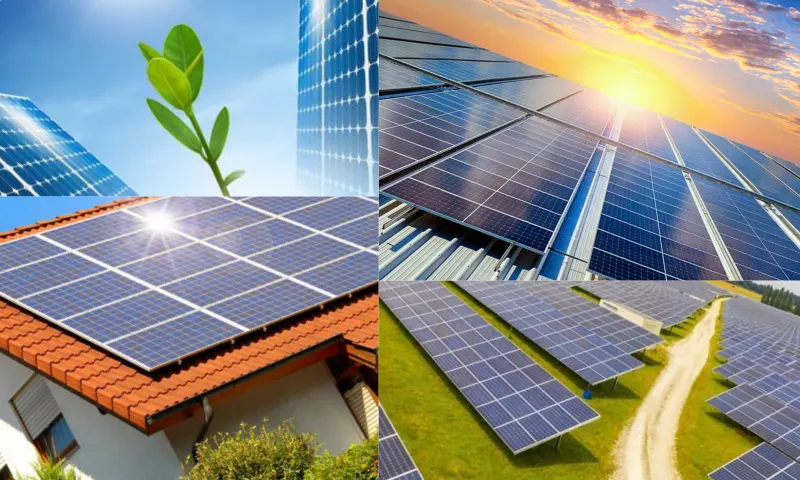
Solar energy is a renewable energy source and an environmentally friendly method of energy production. Electricity can be generated or hot water obtained using the light and heat energy from the sun. The increasing use of solar energy reduces environmental impacts while decreasing energy dependence and contributing to a sustainable energy future. For information on this subject and to ask your questions, you can examine the relevant online companies on web pages and conduct a detailed review from there.
Application Areas of Solar Energy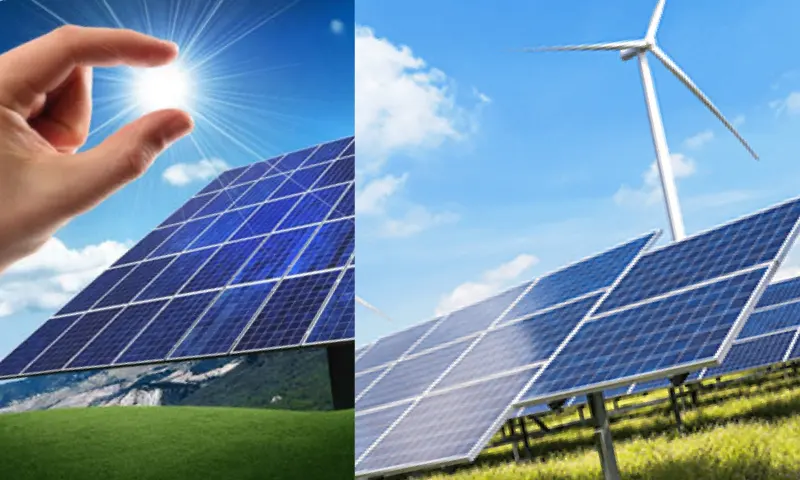
Solar energy is used in many different areas. Here are some of the application areas of solar energy:
- Photovoltaic Systems: Solar energy can be converted into electrical energy through photovoltaic (PV) cells. Solar panels can be installed on roofs, land, or solar farms and can generate electricity for homes, businesses, or cities.
- Solar Water Heating Systems: Solar energy can be used to produce hot water for domestic use or heating systems through solar collectors. These systems reduce energy costs and reliance on fossil fuels by using energy from the sun.
- Solar Powered Lighting: Solar energy can be used for street lights, garden lighting, and other lighting needs. Solar panels store solar energy during the day and release the energy that provides lighting automatically at night.
Advantages and Future of Solar Energy Systems
- Sustainable and Clean Energy Source: Solar energy generates electricity using light and heat energy from the sun. No fuel is used in this process, and no harmful emissions are produced. Compared to the use of fossil fuels, solar energy minimizes environmental impacts and is a clean energy source. Therefore, it plays an important role in combating climate change.
- Reduction in Energy Costs: Solar energy is used for electricity generation for homes and businesses through solar panels. This leads to a significant reduction in energy costs. After solar energy systems are installed, solar energy is free, and maintenance costs are low. In the long term, energy bills are reduced, and dependence on energy decreases.
- Energy Independence and Power Backup: Solar energy systems provide energy independence and power backup. In grid-connected systems, excess solar energy produced can be fed back into the electricity grid, allowing for net-metering agreements with energy companies. Furthermore, in the event of power outages, solar energy systems provide a reliable source of energy by continuously supplying power to homes or businesses.
- Technological Advancements and Innovation: Continuous advancements and innovations are occurring in solar energy technologies. Solar panel efficiency has increased, and lighter and more aesthetically pleasing designs have emerged. Developments in storage technologies are also increasing the continuous usability of solar energy. These advancements enable the more widespread use of solar energy and reduce costs.
Solar energy systems are an important part of a sustainable energy future. Globally, solar energy capacity is rapidly increasing and playing a leading role in energy transformation.





