
Kilim: The Aesthetic Art Extending from Tradition to Modern Life
Kilim Weaving Techniques: Differences Between Hand-Woven and Machine-Woven
A kilim is a type of patterned and plain-woven rug produced by weaving techniques. Kilims, generally made with wool, cotton, or silk yarns, carry unique characteristics in different cultures with their sizes and patterns. Historically, kilims are among the traditional handicrafts of Central Asia, the Middle East, and Anatolia. They were first used by nomadic communities and over time became an indispensable part of home decor. Each kilim, as both an aesthetic element and a form of cultural expression, carries a specific meaning with its motifs and colors. The motifs used in the production of kilims are often related to the beliefs, daily lives, and natural environments of societies. You can access models and details related to kilims at https://www.oceanhome.com.tr/halikilim.
Kilim: Its Modern Place and Popularity in Home Decor
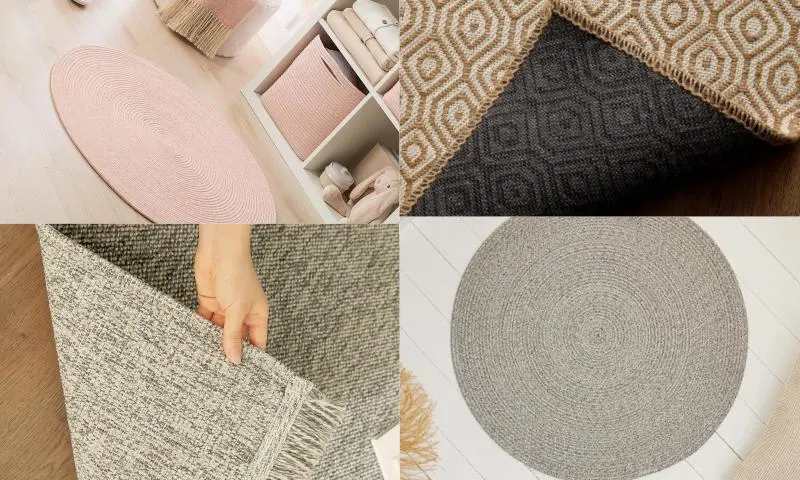
The most common technique used in the production of kilims is hand-weaving. Hand-woven kilims are made using traditional methods, employing a warp and weft system. This handcraftsmanship is a time-consuming and detailed process, which makes each kilim unique. In addition to this, there are also machine-produced kilims today. While machine-woven kilims are faster and more cost-effective, they are not as original and artistic as hand-woven ones. The patterns of hand-woven kilims have a more organic and natural appearance due to the imperfections during weaving and the fine workmanship. Each hand-woven kilim is a work of art reflecting the skills of the artisans and the cultural heritage. Traditionally used on floors, kilims have evolved into stylish and original pieces of home decor over time. Thanks to modern designs and color combinations, kilims have become compatible with both classic and contemporary decoration styles today. Especially in minimalist, bohemian, and rustic styles, kilims are preferred to make living spaces warm and cozy. Furthermore, interest in vintage and handmade kilims has increased, leading to the renewed popularity of kilims in the design world. Kilims, with their aesthetic and functional aspects, are items that have the power to change the atmosphere of a room.





